
Ready to Start an Art Journal? 10 Easy Ideas for Beginners
Last Updated: October 26, 2026
Quick Summary
Ten easy art journaling ideas for beginners include scribble pages, doodle grids, abstract shapes, one-color pages, pattern borders, leaf rubbings, gratitude lists, travel ticket pages, collage scrap pages, and texture junk pages. Each idea needs only basic supplies like a journal, pen, pencil, and one set of color, and takes five to twenty minutes. Pick one idea, set a timer, and stop when it rings.
Start with four supplies: a journal, pencil, black pen, and one set of color.
For mixed media, choose paper labeled for wet media, typically 90 lb (190 gsm) or heavier.
The scribble page takes five minutes: scribble for thirty seconds, then color shapes you find.
Keep a short list of prompts taped inside the back cover to beat the blank page.
Start in a cheap journal so mistakes feel cheap too.
Table of Contents
Why Art Journaling Is the Easiest Creative Habit to Start
Art journaling means filling a blank book with drawings, paint, scribbles, collage, and words without worrying about the result. No grade, no client, no audience, that is exactly why it works.
A sketchbook can feel intimidating; a journal can feel like a conversation.
Here is the part most guides miss: you do not need talent to begin. The American Psychological Association's research on expressive writing has long connected writing and creative expression with lower stress and clearer thinking.
Below, we walk through ten easy art journaling ideas for beginners, each with supplies, time, and difficulty.
If you want a daily creative routine, a beginner's guide to starting a doodling habit pairs well with this one.
Easy Art Journal Supplies for Beginners (and Low-Cost Swaps)
Start with four things: a journal, a pencil, a black pen, and one set of color. That is enough for every idea in this guide.
Low-cost swaps work better than fancy kits at the start:
Markers: drugstore felt-tips instead of artist markers. Look for water-based markers labeled acid-free.
Paint: a basic watercolor pan set instead of tubes.
Collage: junk mail, receipts, and old magazines. Tear rather than cut for softer edges that blend into the page.
Adhesive: a glue stick instead of archival paste.
Color: colored pencils you already own.
Buy cheap first. Upgrade only what you actually reach for. Start with what you have and add one supply at a time as a specific idea demands it.
How to Pick Paper and Stop Bleed-Through
Paper weight is the single biggest factor in bleed-through. Thin paper lets wet media soak straight to the back of the page. Paper is measured in pounds (lb) or grams per square meter (gsm); for mixed media, look for paper labeled for wet media, typically 90 lb (190 gsm) or heavier. Copy paper and many cheap sketchbooks are closer to 20-24 lb and will buckle or tear.
For a deeper explanation, read why artisanal paper matters for journaling.
Test new pens and paint on a back page first
Place scrap paper under the page you are working on
Use less water with watercolor, and let layers dry fully before adding the next
10 Easy Art Journaling Ideas for Beginners, Step by Step
Here is the core of this guide: ten beginner art journaling ideas with supplies, time estimates, and short steps.

Ideas 1-5: Scribbles, Doodles, and Abstract Shapes
1. The scribble page. Time: 5 minutes. Difficulty: very easy. Supplies: pen.
Open to a blank page and close your eyes.
Scribble continuously for thirty seconds without lifting the pen.
Open your eyes and look for shapes inside the scribble.
Color in two or three of those shapes with the same pen or a colored pencil.
Adaptation: if closing your eyes feels uncomfortable, scribble with your non-dominant hand instead.
2. The doodle grid. Time: 10 minutes. Difficulty: very easy. Supplies: pen.
Draw a grid of six to nine squares across the page.
Fill each square with one tiny doodle: a leaf, a star, a swirl, a face, a cup.
Repeat one doodle in a second square at a different size.
Leave one square empty if you run out of ideas; the gap is part of the page.
3. Abstract shapes. Time: 15 minutes. Difficulty: easy. Supplies: markers.
Draw five different shapes anywhere on the page: a circle, a triangle, a blob, a line, a square.
Pick one shape and repeat it across the page in three sizes.
Overlap two shapes and color the overlap in a darker shade.
Stop when the page feels full enough; there is no required number of shapes.
If you want more paint-based abstract work, this guide to layering paint in art journals walks through it step by step.
4. The one-color page. Time: 15 minutes. Difficulty: easy. Supplies: one paint color.
Load a brush with one color and paint a loose wash across the page.
While the wash is still damp, add a second layer in one corner, pressing harder for a darker tone.
Let it dry fully, then add a third layer in another corner.
Write one word over the dry paint in pen.
5. Pattern border. Time: 10 minutes. Difficulty: very easy. Supplies: pen.
Draw two parallel lines down one edge of the page, about half an inch apart.
Fill the strip with a repeating pattern: dots, dashes, or tiny triangles.
Repeat the same pattern down the opposite edge.
Leave the center of the page blank or write a single sentence there.
Ideas 6-10: Nature, Gratitude, and Travel Pages
6. Leaf rubbing. Time: 10 minutes. Difficulty: very easy. Supplies: crayon and a leaf.
Place a leaf under the page, veins facing up.
Hold the page steady and rub the side of a peeled crayon over the leaf.
Lift the page to check the impression, then rub again in a different color for depth.
Date the page and note where you found the leaf.
7. Gratitude list. Time: 10 minutes. Difficulty: very easy. Supplies: pen.
Write the date at the top of the page.
List five things from today, one per line.
Add a small doodle beside each one: a cup for coffee, a line for a walk, a circle for a person.
Circle the one that mattered most.
8. Travel ticket page. Time: 15 minutes. Difficulty: easy. Supplies: glue stick.
Choose a ticket stub, map scrap, or receipt from a day you want to remember.
Glue it to the page, leaving room around the edges.
Write one line about the day beside it.
Add the date and one word that sums up the mood.
9. Collage scrap page. Time: 20 minutes. Difficulty: easy. Supplies: magazine and glue.
Tear ten scraps from a magazine, varying size and color.
Arrange them on the page without gluing until the layout feels right.
Glue them down, overlapping at least three scraps.
Write one sentence across the collage once the glue is dry.
10. Texture junk page. Time: 20 minutes. Difficulty: easy. Supplies: fabric, foil, or wrapping paper.
Gather three textured materials: fabric, foil, wrapping paper, or a textured receipt.
Glue each one to a different area of the page.
Leave part of the page bare so the paper itself shows.
Rub a crayon over the glued textures to pick up their pattern.
Key Takeaway Pick one, set a timer, and stop when it rings.
Easy Art Journal Prompts to Beat the Blank Page
Keep a short list taped inside the back cover.
Taiga Journals
Try these easy art journal prompts when the page feels heavy:
Draw the weather outside your window
Fill a page with one word, repeated
Sketch your coffee cup from three angles
Write a letter to yourself in five years
Draw three objects from your bag
Make a page using only two colors
Record one sound you heard today as a pattern
Pick one prompt, set a timer for ten minutes, and stop when it rings.
Art Journaling Without Drawing: Collage, Color, and Found Materials
Art journaling without drawing is possible. Color, texture, and words can carry a page on their own.
Try these no-draw approaches:
Paint a full background, then write over it
Paste found materials: receipts, wrappers, pressed flowers
Use stamps, stencils, or tape to build pattern
Write in different sizes and angles as the visual element
Fill a page with color swatches and name each one
The goal is expression, not illustration. Layered color with one honest sentence can say more than a careful sketch.
Junk Journaling Ideas for Beginners Who Love Texture
Junk journaling means building pages from everyday paper scraps, envelopes, tags, and packaging.
Good junk journaling ideas for beginners:
Turn an envelope into a pocket for keepsakes
Layer three paper scraps and stitch or staple them
Use a shipping tag as a page marker
Paste in a receipt and write what you bought and why
Save a wrapper from a good day and date it
Texture is the point. Mix smooth, rough, shiny, and soft materials on one page and let the contrast do the work.
Common Beginner Mistakes and How to Avoid Them
Working in a brand-new fancy journal. Start in a cheap one so mistakes feel cheap too.
Copying finished pages from social media. Copying kills the habit; borrowing a color palette keeps it.
Skipping dates. A date turns loose pages into a record you will want later.
Buying supplies before making pages. Supplies follow the habit, not the other way around.
Comparing pages to other people's. Your journal is a diary, not a portfolio.
Choosing a Handmade Journal That Supports Your Practice
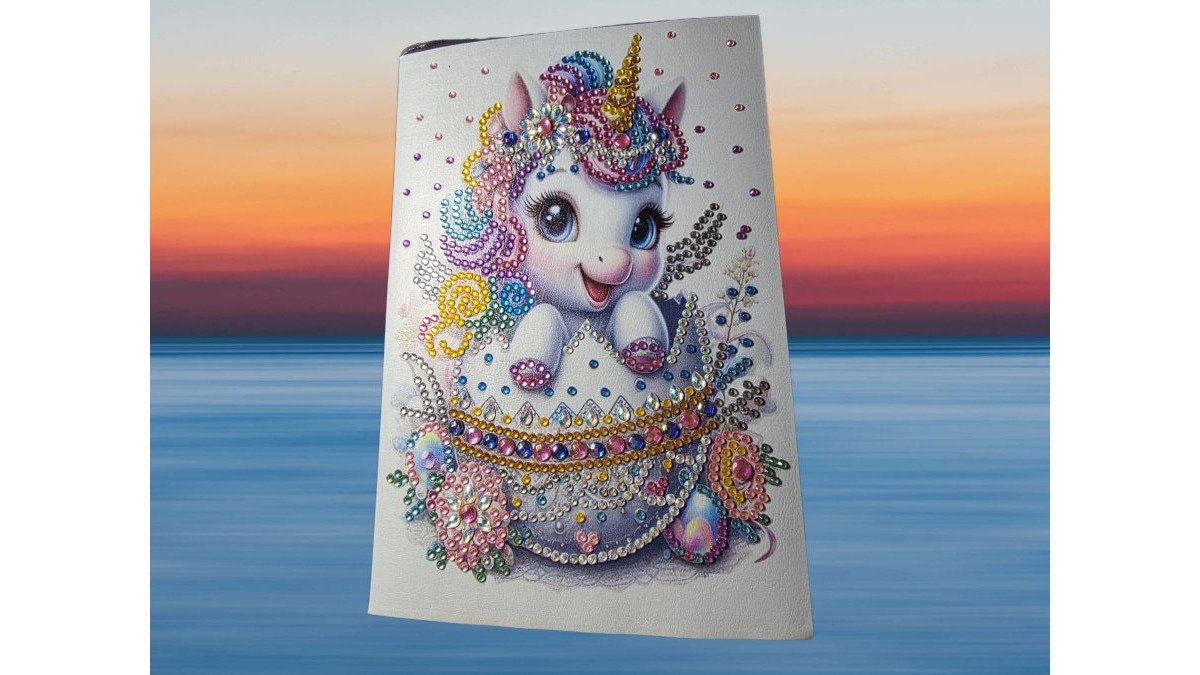
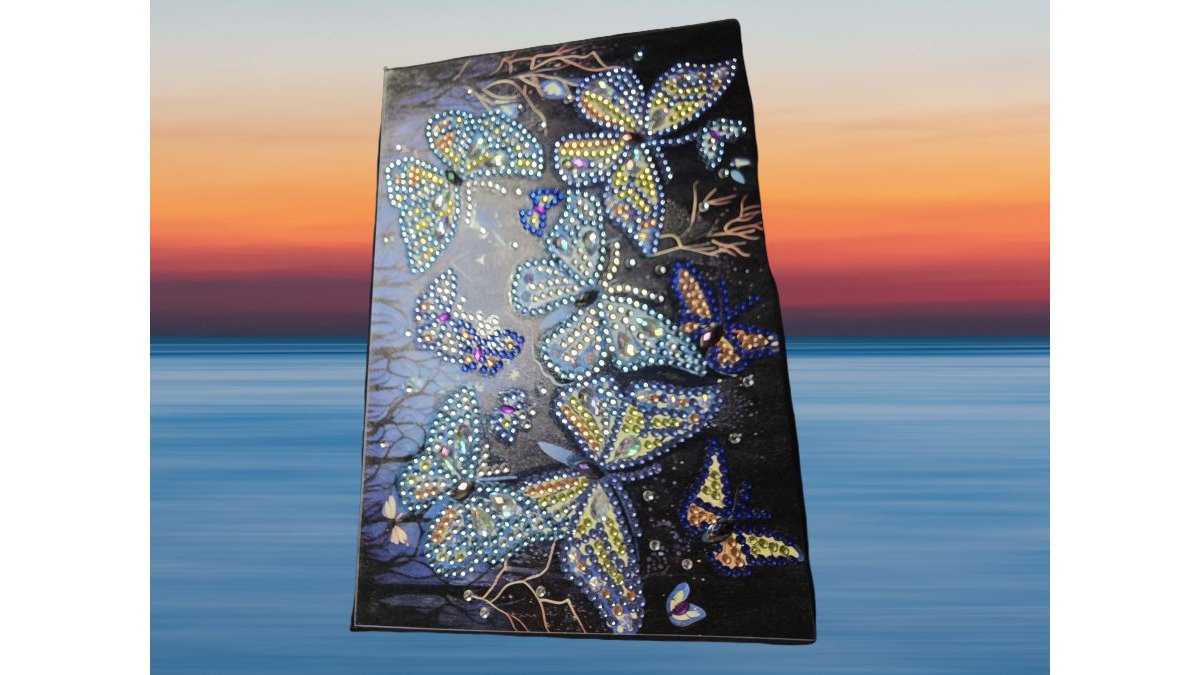
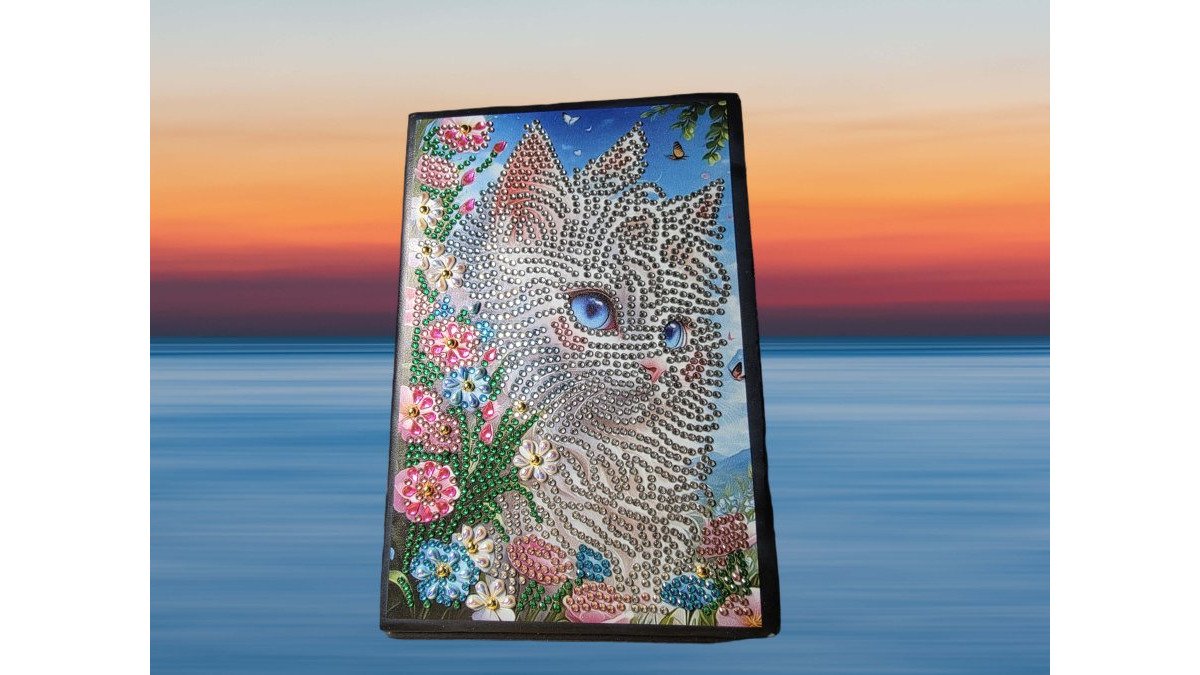
The right journal is the one you are not afraid to ruin. For a blank option that lets your imagination run free, see our Journal w/Blank Pages.
When you compare options, check four things:
Feature | Why It Matters | What to Look For |
Paper weight | Prevents bleed-through | Labeled for wet media |
Binding | Survives daily use | Stitched or sewn, opens flat |
Page size | Fits your habit | Small enough to carry |
Cover | Protects the pages | Sturdy and wipeable |
Our handmade journals are crafted with artisanal care, and 100% of our profits are donated to children's art programs in schools. If you are drawn to journaling as a calming routine, the mindfulness benefits of handmade paper journals are worth reading before you choose.
Frequently Asked Questions
What supplies do beginners actually need for art journaling?
You need very little to start: a journal, a pencil, a black pen, and something to add color. Skip specialty tools until you know what you enjoy.
How do you start an art journal if you can't draw?
Art journaling without drawing is possible. Add a single word or short sentence about your day. The page is finished when it feels complete to you, not when it looks like someone else's.
Is junk journaling really considered art?
Yes. Junk journaling uses receipts, ticket stubs, packaging, fabric scraps, and other found materials to build layered pages. It is a form of mixed media collage, and the composition choices, color pairing, and layering are the same skills used in any visual journal. Junk journaling ideas work well for beginners because the materials cost almost nothing and there is no blank-page pressure.
What should go on a first art journal page?
Keep the first page low-stakes. Try a scribble page: fill the paper with loose, looping lines, then color a few of the shapes. Or write the date and one sentence about why you wanted to start, then decorate the border. A first page does not need to be a finished piece. It only needs to exist, so the journal stops feeling too precious to use.
Starting a creative habit is hard when the tools feel precious and the pages feel too important to fill. Reflective Radiance Studio makes handmade journals that invite messy, honest pages instead of perfect ones, and 100% of our profits go to children's art programs in schools. Every journal is crafted with care, made for daily use, and built to hold whatever you put on the page. Get started with Reflective Radiance Studio and turn a blank book into a habit you keep.
Reflect Your Inner Radiance
Add reflectiveradiancestudio.net as a preferred source on Google →
Comments